Business Storytelling: Turn Information Into Influence

You’ve done the analysis. You understand the opportunity. You have a recommendation you believe in.
Read More

Make Your Virtual Meetings Count: 3 Steps for Commercial Teams

Virtual meetings are no longer a stopgap. For many commercial teams, they're where buyer conversations, line reviews and planning sessions actually happen. A few habits make the difference between a meeting people tolerate and one that moves the business forward.
Read More

9 Ways to Improve Your Virtual Meetings & Presentations

When I first wrote this post, many of us were still getting used to working from our kitchen tables. Virtual meetings didn't go away. They just changed! Now we're juggling hybrid rooms with some people around a table and others on screens, AI tools that take notes for us, and calendars that are fuller than ever.
Read More

Transform Your Sales Presentations: Crafting Stories that Drive Success.

In recent years, my primary focus has been in one specific, but large, competency area: development of the sales presentation. After receiving and fulfilling training requests from various clients to coordinate internal teams for insights-based storytelling, I've come to realize that the key to success involves creating engaging sales narratives - but it's not easy! These stories need to resonate, align, and make it easy for the retail audience to say yes, within the massive landscape of sales presentations they see every day.
Read More

3 Steps to Fact-Based Sales Presentations Retailers Act On

Retailers expect more than a good relationship. They want suppliers who bring insights that grow the category. That takes data skills and a clear story, and it starts inside your own organization. Supplier sales teams have had to change how they go to market. Retailers have more data and better tools than ever, they want category solutions rather than brand pitches, and face time with buyers is harder to get. A strong relationship still matters, but it isn't enough on its own. I've worked with many sales organizations making this shift. Here are the three steps that make the biggest difference.
Read More

Where are your biggest collaborative opportunities internally? externally?

In this week’s podcast blog, the focus is Collaboration (also known as joint business planning). Today, we’ll define collaboration and why it’s so important to be successful as the future of category management unfolds. Plus, you’ll take away some key considerations to prepare for collaboration. So why does strategic collaboration in category management matter and what’s your status?
Read More

Joint Business Planning: 3 Steps to Better Retailer-Supplier Collaboration

Better collaboration starts inside each organization. A shared shopper problem gives retailers and suppliers a reason to work together.
Read More

Strategic Selling Skills: How to Develop Them and Why You Need Them

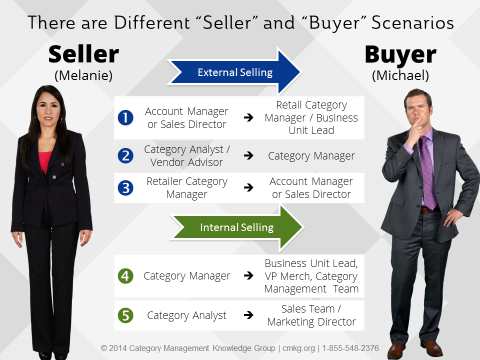
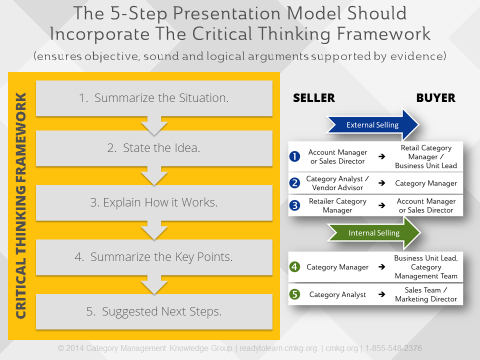
Selling is part of every commercial role. In retail and CPG, it happens externally and internally, for retailers and suppliers alike. Think about all the "seller" and "buyer" relationships you're part of. External selling A supplier's account manager selling to a retailer's category manager. A supplier's category analyst presenting a category review to a retailer. A retailer's category manager selling a new promotion or plan to a supplier's account team. Internal selling A retail category manager selling an idea to their business unit lead. A supplier's category director selling an idea to marketing or sales. So when you think about selling skills, think well beyond the supplier's sales team.
Read More

Fact-Based Presentations — 5 Secrets!

Gone are the days where decisions and recommendations to retail customers are made based purely on intuition and relationships. Sales and marketing teams need to take a fact-based approach to their business, starting with developing new skills in “retail understanding”, “proficiency in data”, and “category & business insights”. A fact-based presentations approach will help you uncover development opportunities as well as combat potential weaknesses through joint business planning (JBP). Some of the questions you need to be able to answer, include: Who are your Retailers and what are they trying to accomplish? What data sources are available to me and how do I analyze and interpret them? How do I create actionable recommendations for the Retailer using the tactics? Adding value to the Retailer through solutions and recommendations that tie in with their overall strategies and their biggest areas of opportunity will help move you from relationship-only selling to an added-value, more collaborative sales approach. The result? Win-win solutions for the Vendor and Retailer. But keep in mind, once sales teams answer these questions, their job is only half done. Their next step is to learn how to tell stories through compelling, fact-based presentations that connect with the opportunities and insights they have uncovered. Let’s review the most important elements of fact-based presentations.
Read More


Why Category Management is the Answer to Collaboration, Becoming Shopper-Centric, and Maximizing Big Data.

Most retail and vendor organizations I have spoken to or interacted with in the past 6 months list at least one of the following objectives in their Corporate Strategic Plans: Collaboration. There is a big opportunity for Retailer and Vendor Collaboration, but organizations are not making any or enough progress. Shopper-Centricity. To win with Shoppers, Retailers and Vendors need to collaborate to be truly Shopper-centric. Limited collaboration is leading to misalignment of messages — meaning shoppers’ needs and wants are not being met. Big Data. Leveraging Big Data (by Retailers or Vendors) requires more precision and sophistication in its use and is similarly aided by strategic collaboration between Retailers and Vendors.
Read More