Business Storytelling: Turn Information Into Influence

You’ve done the analysis. You understand the opportunity. You have a recommendation you believe in.
Read More

Transform Your Sales Presentations: Crafting Stories that Drive Success.

In recent years, my primary focus has been in one specific, but large, competency area: development of the sales presentation. After receiving and fulfilling training requests from various clients to coordinate internal teams for insights-based storytelling, I've come to realize that the key to success involves creating engaging sales narratives - but it's not easy! These stories need to resonate, align, and make it easy for the retail audience to say yes, within the massive landscape of sales presentations they see every day.
Read More

9 Ways to Improve Your Virtual Meetings & Presentations

Virtual meetings and presentations are not going away; even when we return to the office it's likely we'll continue to do much of our work and client transactions this way in the future. I’ve put together a list of steps to help you make your virtual meetings more productive and polished from beginning to end.
Read More

Break Down the Barriers That May be Limiting Your Growth Opportunities

As we kick off this new year, there may be obstacles in your category plans that can unknowingly limit your category results. These obstacles exist for many retailers because their category analytics and plan development haven’t kept pace with some of the biggest disruptors in the industry – including data, the changing shopper and the changing marketplace. If you don't change your strategies, processes and thinking to consider these changes, and don’t open up to new perspectives and ideas, your biggest growth opportunities can be completely overlooked. Below I’ve captured some examples of potential barriers that may be limiting your growth:
Read More

3 Steps to Fact-Based Presentations

Our industry has changed the way that supplier sales teams go to market – or at least it should have changed! Gone are the days where sales teams rely solely on the relationship they’ve built with their retail customer — a major shift driven by: changing customers and economy, less opportunity to see our retailers face to face, the demand from retailers for value-based category solutions, and the advancements of retailers from both a data and technology perspective. Over the past few years, I have had the privilege of personally training many sales organizations on how to improve their fact-based presentations approach and have documented three steps here, including barriers, analyzing data, and building the presentation.
Read More


Category Management Training Improves ROI on Your Data Investment

Data investments can be in the millions of dollars for organizations. ROI requires using it wisely — here’s how: If you’re like most organizations, you are purchasing more data than ever before, sometimes making decisions on what to purchase without creating necessary standards on when or how to use it to your advantage, but proudly adding it to the portfolio of data that your organization now has access to. Are you maximizing big data? Read on to discover the 4 requirements for Retailers and Suppliers / Manufacturers to maximize data investments.
Read More

Where are your biggest collaborative opportunities internally? externally?

In this week’s podcast blog, the focus is Collaboration (also known as joint business planning). Today, we’ll define collaboration and why it’s so important to be successful as the future of category management unfolds. Plus, you’ll take away some key considerations to prepare for collaboration. So why does strategic collaboration in category management matter and what’s your status?
Read More

The Future of Category Management (Part 2): Shopper & Omni Channel

My last podcast/blog identified areas in category management that need to change, driven by developing trends in the retail industry, the Shopper, their path to purchase, and more complex data and technology. This week I talk more about how Shopper influence and the Omni-Channel are changing, and the implications that each has on category management.
Read More

Joint Business Planning: 3 Steps to Better Retailer-Supplier Collaboration

Better collaboration starts inside each organization. A shared shopper problem gives retailers and suppliers a reason to work together.
Read More

Strategic Selling Skills: How to Develop Them & Why You Need Them.

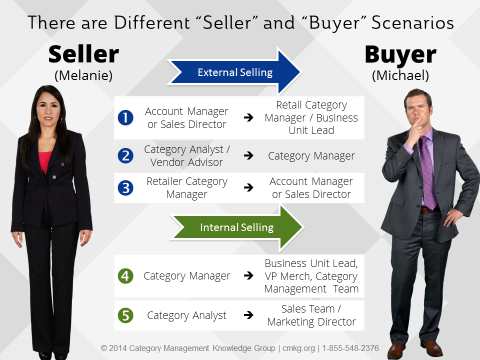
Selling is a requirement in any business. In the retail industry, selling takes place both internally and externally for Retailers and Vendors across departments and teams. There are multiple “Seller” to “Buyer” relationships, including: EXTERNAL SELLING RELATIONSHIPS the account manager or sales director (Seller); calling on the category manager or business unit lead at the Retailer (Buyer). the category analyst or vendor advisor (Seller); calling on the category manager, or someone else in the retail organization responsible for different components of the category review process (Buyer). the Retailer’s category manager with a new promotion or plan (Seller); calling on an account manager or sales director (Buyer). INTERNAL SELLING RELATIONSHIPS the category manager at the Retailer promoting an idea or concept (Seller); to their business unit lead or manager (Buyer). the Vendor’s category analyst or category management director promoting in an idea or concept (Seller); to the marketing director or sales director within their organization (Buyer). So when you think about developing selling skills, expand your concept of Sellers and Buyers beyond the Vendor’s sales team. The graphic below summarizes: Two critical components of any selling approach include your ability to create engaging and informative presentations that focus on your Buyer (either internal or external). These components include the ability to use software tools like PPT and to tell a compelling story with relevant, fact-based details to your audience. Both components are critical, and must be developed BEFORE you can focus on strategic selling skills.
Read More